Cash on Delivery Is Declining in Middle East E-commerce
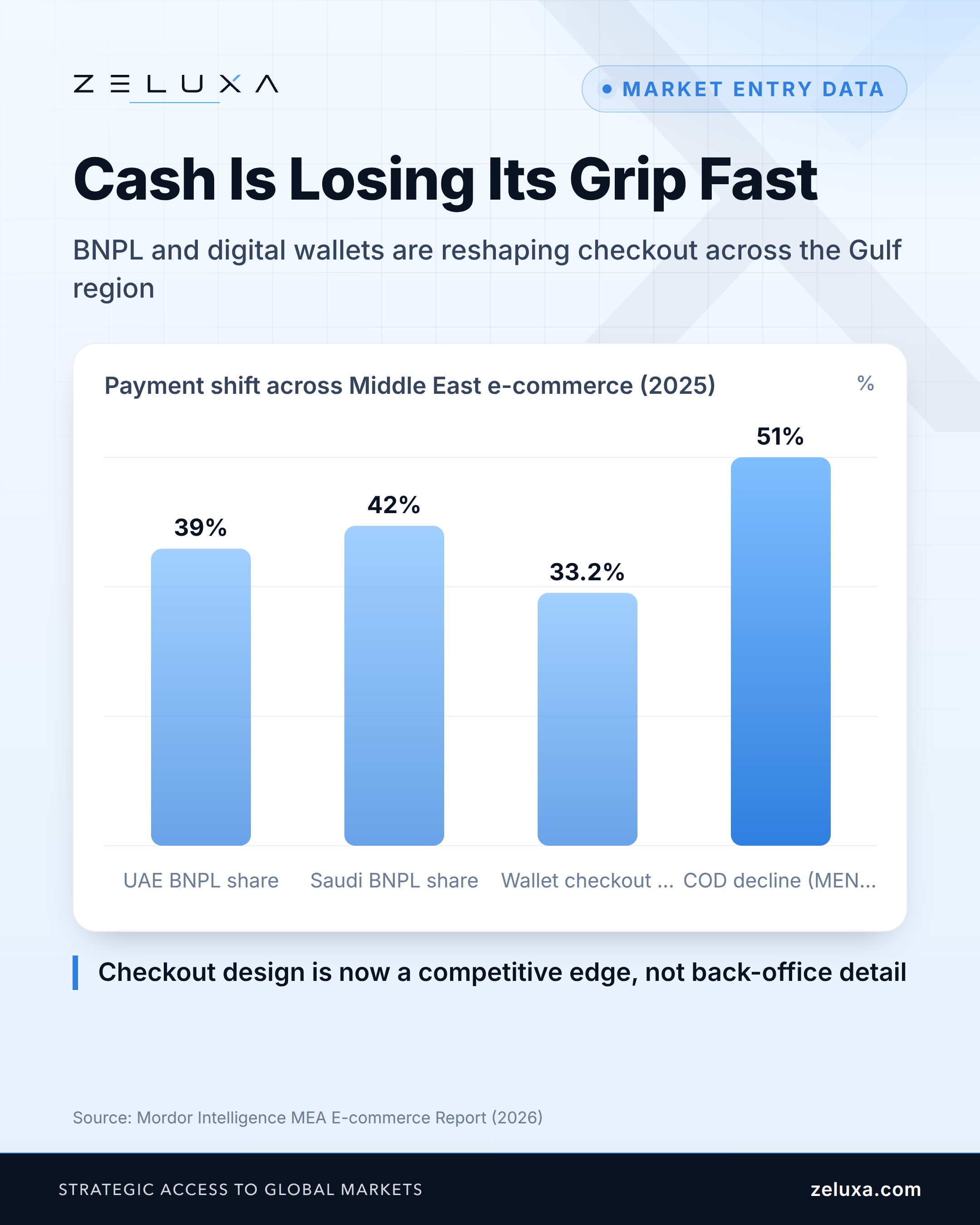
A new Mordor Intelligence report on Middle East and Africa e-commerce puts a number on something we've been watching for a while: cash-on-delivery preference has dropped 51% across the region. Buy-now-pay-later is filling the gap fast, growing at a 14.2% CAGR, with BNPL penetration already at 42% in Saudi Arabia and 39% in the UAE. Digital wallets now handle a third of all checkouts region-wide.
Why this matters for anyone selling into Türkiye or the Gulf: your checkout stack is now a competitive variable, not a back-office detail. A seller still built around cash-on-delivery or single-card checkout is quietly losing conversion to competitors offering Tabby, Tamara or wallet options.
A few questions worth testing before you launch or expand:
- Does your payment partner actually support the BNPL providers shoppers expect locally?
- Have you priced in the merchant fees that come with installment and wallet options?
- Is your fraud and returns policy built for a market where cash-on-delivery is shrinking but not gone?
We'd treat this as a market-entry checklist item, not a launch-day afterthought. What's your experience — has payment localization moved the needle more than product localization in your markets?
Sources
More insights

US Shoppers Use AI to Research, but Few Trust It
That gap, reported in Alchemer's 2026 Retail Report, is the number that should matter most to anyone building market research right now — not the adoption figure everyone quotes. Usage is outrunning trust by roughly 15…
Read insight
Market Entry Lessons from Mardin: Adapt, Don't Copy
It didn't become a hub by copying whoever arrived. It built with what it had: local limestone, a style of carving no caravan route could import, houses designed for its own climate and its own way of life. Different…
Read insight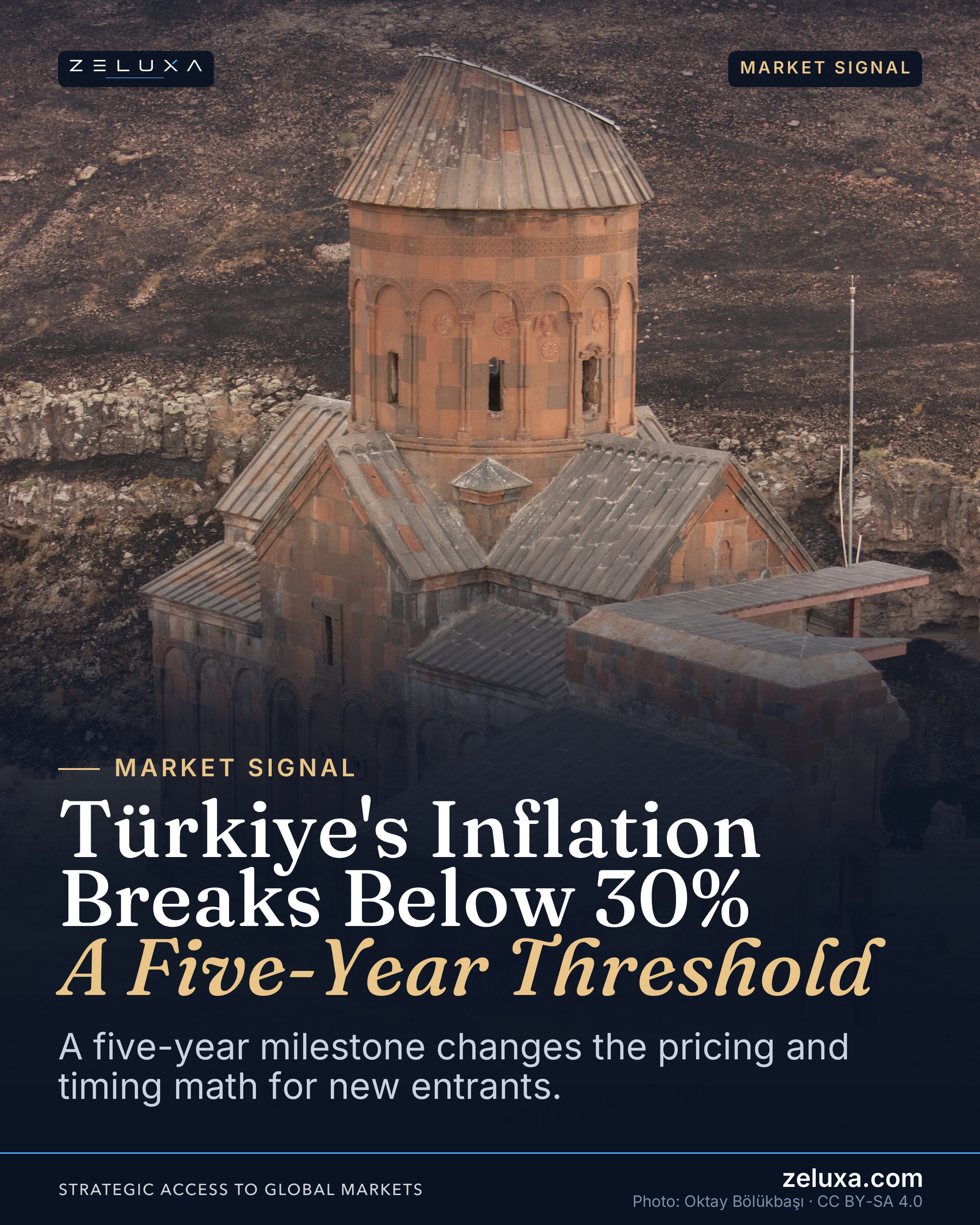
Türkiye Inflation Falls Below 30% in September 2026
TurkStat reported September annual CPI at 29.73%, down from 31.51% in August, the first sub-30% print since November 2021. Treasury and Finance Minister Mehmet Şimşek called it broad-based disinflation, with…
Read insight